Stage 1 is a software-only ECU remap on an otherwise standard vehicle. Stage 2 is a remap matched to supporting bolt-on hardware such as a sports downpipe, upgraded intake or intercooler. The real difference is whether the airflow and exhaust hardware have been upgraded to support larger, safe gains.
Stage 1: software only
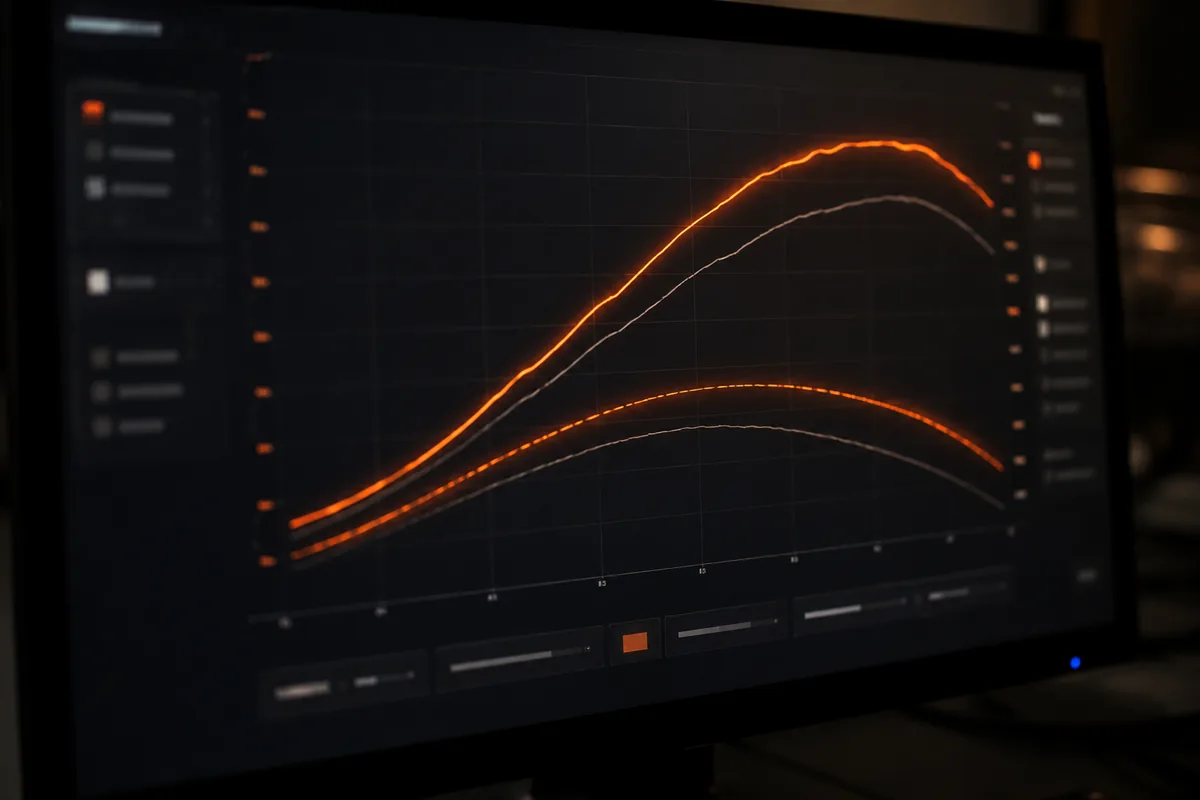
Stage 1 optimises boost, fuelling and ignition timing within the limits of the factory hardware. It needs no mechanical work, it is reversible, and it usually gives the best gains for the money. On a modern turbo engine you can typically expect around 20 to 35 percent more power and a noticeable jump in mid-range torque, though the exact figures depend on the engine, the ECU and the fuel you run.
Stage 1 suits daily drivers, fleet vehicles and towing, where smooth power delivery and reliability matter more than a peak dyno number.
Stage 2: matched to hardware
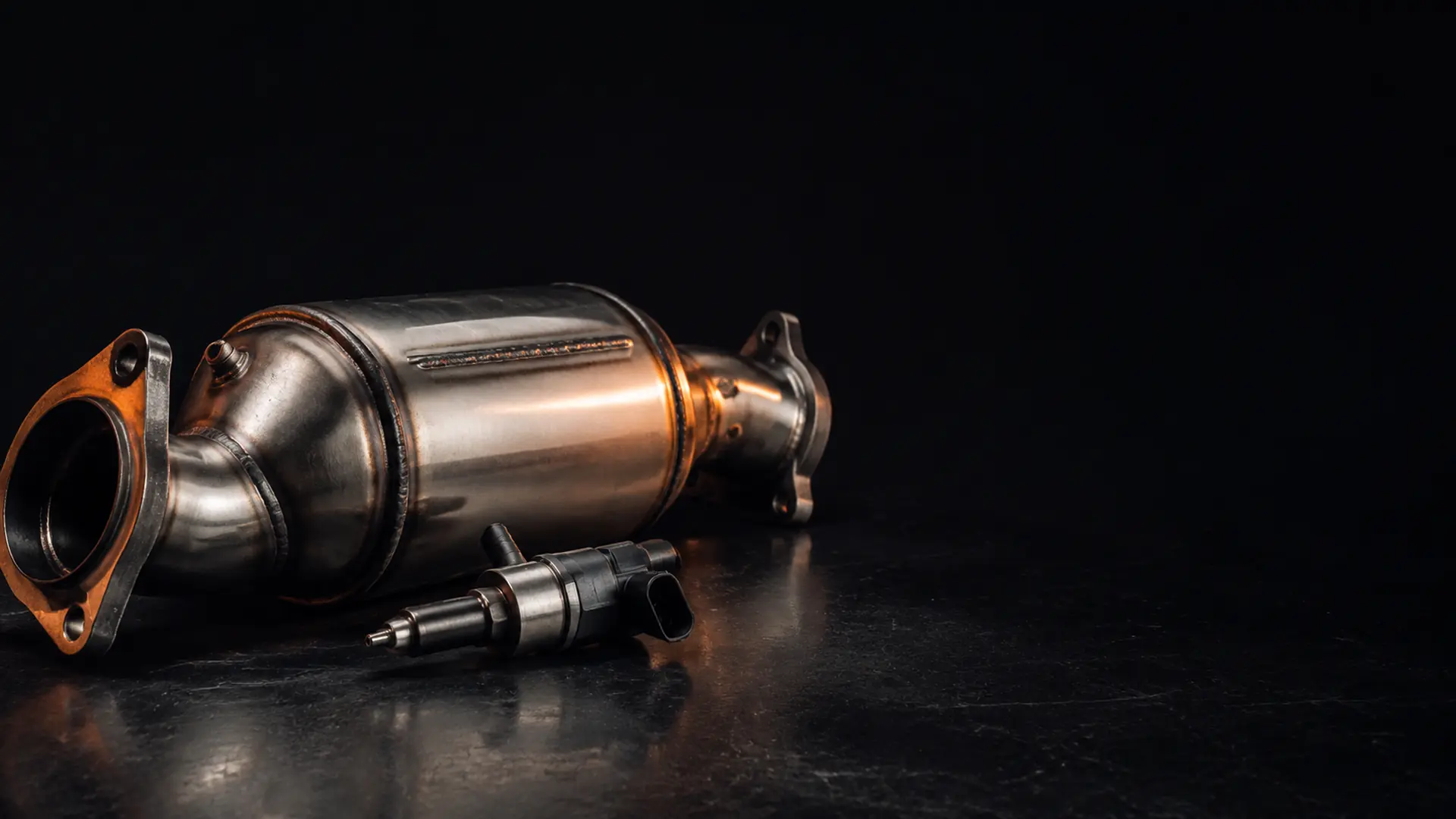
Stage 2 is calibrated for a vehicle that already has supporting modifications. Because more air can move in and out of the engine, the file can safely target higher power and torque than Stage 1. Common supporting parts are a sports or decat downpipe, a larger intercooler, an upgraded intake and, on some cars, a bigger turbo inlet. Stage 2 assumes the hardware is installed correctly and the engine is healthy.
Petrol and diesel behave differently
Diesels usually respond to a remap with a large torque increase low in the rev range, which is why they feel so much stronger for daily driving and towing. Petrol turbo engines tend to gain more at the top end. On both, a good file raises output while keeping exhaust gas temperature, boost and knock within safe limits.
Which should you choose?
- Standard vehicle, want more performance with no hardware work: Stage 1.
- Already fitted a downpipe, intake or intercooler: Stage 2.
- Not sure: start with Stage 1. It is the foundation Stage 2 builds on, and you can move up later once the hardware is fitted.
Is it reliable?
A responsible tune stays inside the tolerances the manufacturer already built into the engine. We tune conservatively, validate the maps and correct the checksum so the file is accepted when you write it. Every YASTUNING file is reviewed by an experienced calibrator, and your stock file is kept on record so you can return to original at any time.
Ready to check your engine? Browse the tuning catalog by brand and model, or see how the file service works.